Holistic healing represents an approach to wellness that considers the whole person—mind, body, spirit, and emotions—in the quest for optimal health and wellness. Unlike conventional medicine that often focuses on treating symptoms, holistic healing seeks to address the root causes of imbalance and promote harmony across all aspects of being.
In recent years, psychedelics have emerged as powerful tools in the holistic healing toolkit. When used with intention, preparation, and proper integration, these remarkable substances can facilitate profound healing by addressing the interconnected nature of our physical, mental, emotional, and spiritual well-being.
At Trippy Terps Farm, we believe in the transformative potential of psychedelics when approached with reverence and respect. This guide explores how these substances can be incorporated into a holistic healing practice, offering insights into their mechanisms, applications, and the principles that underlie their therapeutic potential.
The Holistic Healing Paradigm
Understanding Holism
The holistic approach to healing is based on several fundamental principles:
- Interconnectedness: All aspects of our being are interconnected and influence each other
- Individuality: Each person’s healing journey is unique and requires personalized approaches
- Balance: Health emerges from dynamic balance between different systems and aspects
- Self-Healing: The body and mind have innate capacities for self-regulation and healing
- Root Cause Focus: True healing addresses underlying causes rather than just symptoms
The Dimensions of Holistic Health
Holistic healing recognizes multiple dimensions of health that must be addressed for complete wellness:
- Physical: The body and its processes, including nutrition, movement, and rest
- Mental: Thoughts, beliefs, and cognitive patterns
- Emotional: Feelings, emotional expression, and regulation
- Spiritual: Connection to something larger than oneself, meaning, and purpose
- Social: Relationships, community, and cultural connections
- Environmental: Relationship with our physical surroundings and nature
Psychedelics in the Holistic Healing Context
Historical Use in Healing Traditions
Psychedelics have been used in healing contexts across cultures for millennia:
- Indigenous Shamanism: Traditional healers using plant medicines for physical and spiritual ailments
- Ancient Civilizations: Evidence of ritual use for healing and divination
- Eastern Traditions: Incorporation into spiritual and healing practices
- Folk Medicine: Local traditions using psychedelic plants for various ailments
Modern Rediscovery
The contemporary holistic healing movement has embraced psychedelics through:
- Clinical Research: Growing evidence base for therapeutic applications
- Integrative Medicine: Incorporation into holistic treatment protocols
- Spiritual Exploration: Recognition of their potential for spiritual growth
- Personal Development: Use for enhancing creativity, problem-solving, and self-awareness
The Mechanisms of Psychedelic Healing
Neurobiological Effects
Psychedelics facilitate healing through several neurobiological mechanisms:
- Neuroplasticity Enhancement: Increased capacity for forming new neural connections
- Default Mode Network Modulation: Temporary disruption of rigid patterns of thinking
- Serotonin System Activation: Particularly at 5-HT2A receptors
- Brain Connectivity Changes: Increased communication between different brain regions
- Inflammatory Reduction: Some psychedelics show anti-inflammatory properties
Psychological Mechanisms
The psychological effects that contribute to healing include:
- Ego Dissolution: Temporary reduction of self-referential thinking
- Emotional Release: Access to and processing of suppressed emotions
- Perspective Shifts: New ways of viewing problems and situations
- Memory Reconsolidation: Ability to update and reframe traumatic memories
- Enhanced Meaning: Increased sense of purpose and significance
Spiritual Dimensions
The spiritual aspects of psychedelic healing include:
- Mystical Experiences: Feelings of unity and transcendence
- Connectedness: Enhanced sense of connection to others, nature, and the universe
- Sacredness: Recognition of deeper meaning and value in life
- Transpersonal Insights: Understanding beyond ordinary consciousness
Specific Psychedelics and Their Healing Properties
Psilocybin Mushrooms
Psilocybin-containing mushrooms offer gentle yet profound healing potential:
- Depression Treatment: Particularly effective for treatment-resistant depression
- Existential Distress: Helping those facing serious illness or end-of-life anxiety
- Addiction Recovery: Supporting recovery from various substance dependencies
- Cluster Headaches: Showing promise for this painful condition
- Personality Openness: Increasing openness and related traits
Holistic Applications:
- Microdosing for emotional regulation and creativity
- Ceremonial use for spiritual connection and insight
- Therapeutic settings for trauma processing
- Nature connection practices
DMT (Dimethyltryptamine)
DMT offers unique healing potential through its intense but brief experiences:
- Perspective Transformation: Rapid shifts in worldview and self-concept
- Spiritual Emergency Support: For those undergoing spontaneous spiritual experiences
- Consciousness Exploration: Understanding the nature of consciousness itself
- Death and Dying: Providing insights into the dying process
Holistic Applications:
- Preparation for other psychedelic work
- Spiritual practice enhancement
- Consciousness exploration
- Meditation support
LSD (Lysergic Acid Diethylamide)
LSD provides unique healing benefits through its extended duration and cognitive effects:
- Anxiety Disorders: Particularly end-of-life anxiety and existential distress
- Alcoholism: Historical evidence of effectiveness in treating alcohol dependence
- Creative Problem-Solving: Enhancing creative thinking and innovation
- Headache Disorders: Including cluster headaches and migraines
Holistic Applications:
- Psychotherapeutic enhancement
- Creative exploration
- Spiritual practice deepening
- Life transition support
MDMA (3,4-Methylenedioxymethamphetamine)
While not a classic psychedelic, MDMA offers unique healing properties:
- PTSD Treatment: Particularly effective for trauma-related conditions
- Relationship Healing: Enhancing connection and empathy in therapeutic settings
- Social Anxiety: Especially in contexts like autism spectrum disorders
- End-of-Life Anxiety: Supporting those facing terminal illness
Holistic Applications:
- Couples therapy enhancement
- Trauma processing
- Empathy development
- Social connection facilitation
Preparing for Psychedelic Healing
Intention Setting
Clear intentions form the foundation of healing work with psychedelics:
- Specificity: Clear, focused intentions rather than vague goals
- Positive Framing: Focusing on growth rather than eliminating problems
- Flexibility: Remaining open to unexpected insights and directions
- Authenticity: Intentions that genuinely resonate with your values and needs
Physical Preparation
Preparing the body supports the healing process:
- Dietary Considerations: Clean, light eating in the days before
- Hydration: Proper hydration without overconsumption
- Rest: Adequate sleep and rest before the experience
- Exercise: Moderate physical activity to prepare the body
- Substance Avoidance: Abstaining from other substances for appropriate periods
Mental and Emotional Preparation
Preparing the mind and emotions enhances healing potential:
- Meditation Practice: Developing familiarity with inner states
- Journaling: Exploring thoughts and feelings beforehand
- Therapeutic Support: Processing with a therapist if appropriate
- Expectation Management: Balancing hope with openness to whatever arises
- Fear Processing: Working through anxieties about the experience
Creating the Right Environment
The setting significantly influences the healing potential:
- Physical Space: Clean, comfortable, and aesthetically pleasing
- Sensory Considerations: Appropriate lighting, sound, and temperature
- Supportive Presence: Trusted guides or sitters if appropriate
- Security: Feeling safe and protected throughout the experience
- Symbolic Elements: Meaningful objects or images if desired
Integration: The Key to Lasting Healing
The Importance of Integration
Integration is the process of making sense of and incorporating psychedelic experiences into daily life. Without proper integration, insights may fade and healing potential may be lost.
Integration Techniques
Effective integration practices include:
- Immediate Reflection: Recording experiences while fresh
- Regular Journaling: Ongoing written exploration of insights
- Meditation Practice: Developing capacity for inner observation
- Creative Expression: Art, music, or movement to process experiences
- Therapeutic Support: Professional help when needed
- Community Discussion: Sharing with trusted, experienced individuals
- Lifestyle Changes: Implementing insights into daily routines
- Nature Connection: Spending time in natural settings
Integration Challenges
Common difficulties in integration include:
- Language Limitations: Difficulty verbalizing ineffable experiences
- Reality Questioning: Challenges to previously held beliefs
- Emotional Processing: Working through intense emotional content
- Lifestyle Implementation: Applying insights to daily life
- Relationship Changes: Navigating shifts in personal connections
Supporting Integration
To enhance integration:
- Structured Approach: Regular integration practices
- Professional Support: Therapists experienced in psychedelic integration
- Community Connection: Integration circles or support groups
- Educational Resources: Books, workshops, and courses
- Patience and Compassion: Allowing time for gradual integration
Holistic Healing Protocols
Single-Session Healing
For focused healing work with psychedelics:
- Clear Intention: Specific healing focus for the session
- Preparation Period: Dedicated time for mental, emotional, and physical preparation
- Supported Experience: Appropriate guidance and support during the session
- Integration Period: Dedicated time and practices for integration
- Follow-Up Support: Ongoing support as needed
Multi-Session Protocols
For deeper or more complex healing work:
- Assessment Phase: Thorough evaluation of needs and appropriate approaches
- Preparation Series: Multiple preparation sessions
- Experiential Series: Several psychedelic sessions with specific focuses
- Integration Series: Ongoing integration support between sessions
- Maintenance Phase: Practices to maintain and deepen healing
Microdosing Protocols
For subtle, ongoing healing work:
- Regimen Design: Appropriate schedule and dosage
- Intention Focus: Specific areas for subtle healing and growth
- Observation Practices: Enhanced awareness of subtle changes
- Adjustment Period: Time to refine dosage and schedule
- Integration Practices: Making the most of subtle insights
Combining Psychedelics with Other Holistic Modalities
Body-Based Practices
Combining psychedelics with body-based approaches enhances healing:
- Yoga: Enhancing body awareness and energy flow
- Breathwork: Supporting emotional release and regulation
- Somatic Experiencing: Processing trauma through the body
- Massage and Bodywork: Releasing physical tension and stored emotions
- Movement Practices: Expressive movement for emotional processing
Energy Healing Modalities
Energy work complements psychedelic healing:
- Reiki: Channeling healing energy for balance
- Acupuncture: Balancing energy flow in the body
- Qi Gong: Cultivating and balancing life energy
- Crystal Healing: Using mineral energies for balance
- Sound Healing: Using vibrational frequencies for healing
Psychological Approaches
Various therapeutic approaches enhance psychedelic work:
- Cognitive Behavioral Therapy: Restructuring thought patterns
- Internal Family Systems: Working with different parts of the self
- Somatic Experiencing: Processing trauma through the body
- Existential Therapy: Exploring meaning and purpose
- Transpersonal Psychology: Addressing spiritual aspects of healing
Spiritual Practices
Spiritual practices deepen psychedelic healing:
- Meditation: Developing awareness and presence
- Prayer: Connecting with higher powers or intentions
- Ritual: Creating sacred space and meaning
- Nature Connection: Deepening relationship with the natural world
- Service: Channeling healing into helping others
Safety Considerations in Holistic Psychedelic Healing
Medical Screening
Proper screening helps ensure safety:
- Medical History: Complete health evaluation
- Medication Review: Identifying potential contraindications
- Mental Health Assessment: Screening for specific conditions
- Substance Use History: Understanding previous and current use
- Family History: Genetic predispositions to certain conditions
Contraindications
Certain conditions require special caution or avoidance:
- Psychosis Risk: Personal or family history of psychotic disorders
- Cardiovascular Conditions: Heart conditions or blood pressure issues
- Pregnancy and Breastfeeding: Generally recommended to avoid
- Certain Medications: Particularly psychiatric medications
- Acute Mental Health Crises: Stabilization before psychedelic work
Harm Reduction Practices
To minimize risks and maximize benefits:
- Education: Thorough understanding of effects and safety practices
- Appropriate Dosing: Starting with lower doses when appropriate
- Set and Setting: Careful attention to preparation and environment
- Integration Support: Proper integration after experiences
- Professional Guidance: Working with experienced practitioners when appropriate
The Future of Holistic Psychedelic Healing
Research Directions
Current and future research areas include:
- Mechanism Studies: Understanding how psychedelics facilitate healing
- Protocol Development: Optimizing approaches for specific conditions
- Long-Term Effects: Understanding lasting impacts
- Combination Therapies: Pairing with other healing modalities
- Population-Specific Applications: Tailoring approaches for different groups
Integration into Mainstream Healthcare
The evolving landscape includes:
- Clinical Implementation: Incorporation into medical settings
- Insurance Coverage: Potential future coverage for psychedelic therapy
- Professional Training: Education for healthcare providers
- Regulatory Development: Appropriate frameworks for legal use
- Public Education: Increasing understanding and acceptance
Personalized Approaches
The future of psychedelic healing includes:
- Genetic Considerations: Tailoring approaches based on individual biology
- Precision Dosing: Optimizing doses for specific individuals and conditions
- Digital Integration: Using technology to support preparation and integration
- Biomarker Development: Identifying indicators of response and progress
- Customized Protocols: Tailored approaches based on individual needs
Psychedelics offer powerful tools for holistic healing when used with intention, preparation, and proper integration. Their ability to address the interconnected nature of our physical, mental, emotional, and spiritual well-being makes them uniquely valuable in the quest for wholeness and wellness.
However, they are not magic bullets that automatically heal without effort. Their true potential is realized through comprehensive preparation, supported experiences, and dedicated integration practices. When combined with other holistic modalities and approached with respect and reverence, psychedelics can facilitate profound healing that addresses root causes rather than just symptoms.
As we continue to explore these remarkable substances, it’s essential to maintain respect for their power, commitment to safety, and focus on genuine healing rather than superficial experiences. The holistic path with psychedelic support offers a journey of discovery, healing, and transformation that can enrich all aspects of our being.
At Trippy Terps Farm, we’re committed to supporting this journey through quality products, education, and community. Whether you’re just beginning to explore holistic healing or seeking to deepen an established practice, we’re here to provide the resources and support needed for safe, meaningful, and transformative experiences.
Remember that true holistic healing is a journey, not a destination. Each step along the path, each insight gained, and each integration practice contributes to the ongoing process of becoming more whole, balanced, and aligned with your deepest self. May your healing journey be guided by wisdom, supported by community, and enriched by the remarkable potential of these sacred substances.
We’re in a period of renewed scientific interest in psychedelics. Research into substances such as psilocybin, MDMA, and LSD has accelerated, with studies showing potential therapeutic benefits for mental health conditions like depression, PTSD, and anxiety. A number of these treatments are now advancing through late-stage clinical trials, indicating growing recognition within mainstream medicine.
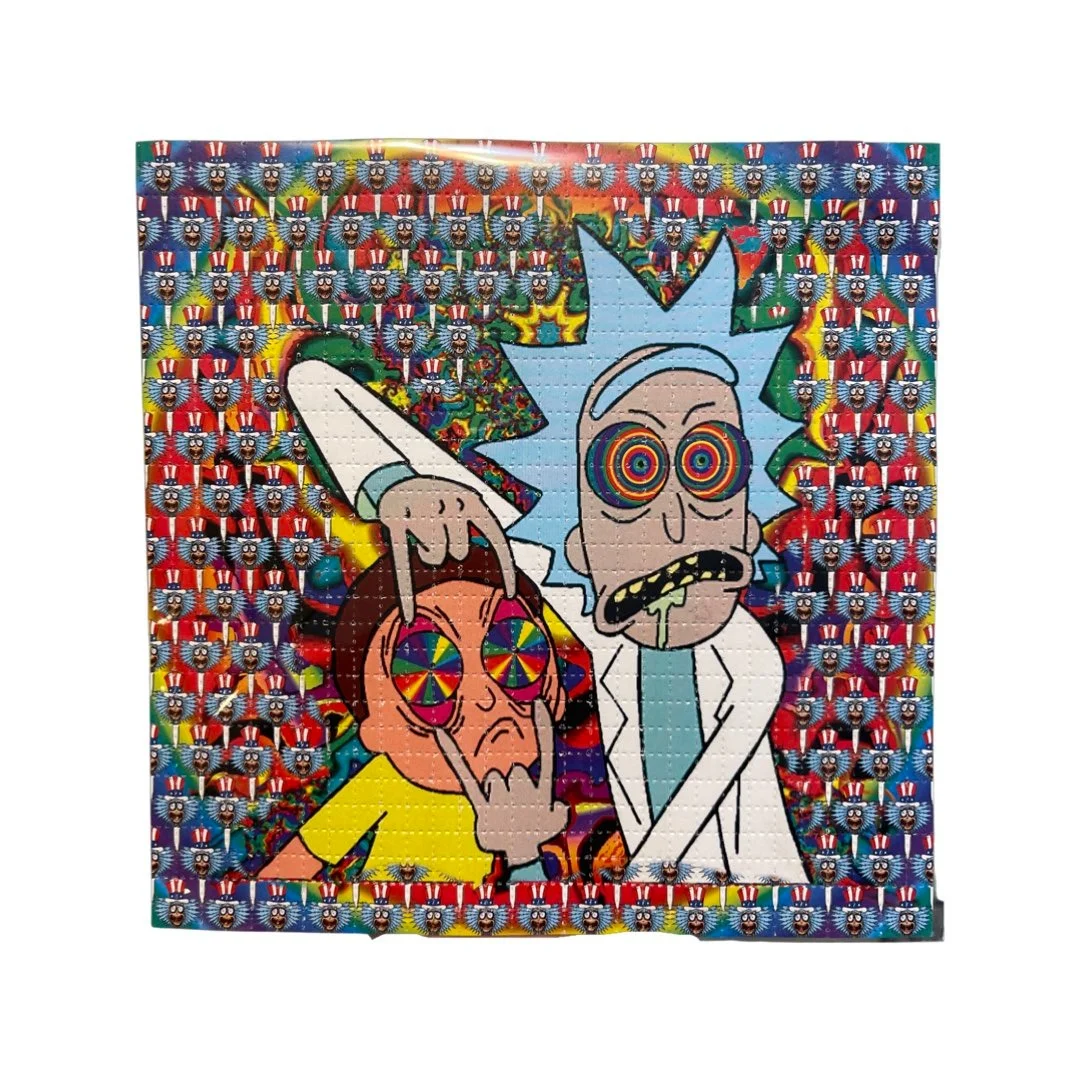
Lysergic acid diethylamide (LSD) is a powerful psychedelic compound known for its ability to deeply alter perception, mood, and cognition. Even in extremely small amounts, it can produce intense visual, emotional, and introspective experiences.
Originally synthesized in 1938 by Swiss chemist Albert Hofmann, LSD later became central to research on consciousness and the cultural movements of the 1960s.
LSD primarily interacts with serotonin receptors in the brain, especially those linked to perception and emotional processing. This interaction can lead to:
-
- Enhanced sensory awareness
 How LSD Affects the Mind