For the estimated one in three depression patients in the UK who do not respond to standard antidepressants, the search for effective treatment can feel endless. Selective serotonin reuptake inhibitors (SSRIs), the first-line treatment offered through the NHS, fail to provide adequate relief for approximately 30% of those prescribed them. This condition—treatment-resistant depression (TRD)—has long represented a critical gap in psychiatric care. However, a growing body of UK-led research suggests that psilocybin, the psychoactive compound found in “magic mushrooms,” could offer a breakthrough for those who have exhausted conventional options.
Understanding Treatment-Resistant Depression
Treatment-resistant depression is typically defined as depression that persists despite trying at least two different antidepressant medications at adequate doses for sufficient duration. In the UK, this affects hundreds of thousands of people, many of whom cycle through multiple drug combinations, cognitive behavioural therapy (CBT), and other interventions without finding lasting relief. The economic and human cost is substantial—TRD is associated with higher rates of hospitalisation, reduced productivity, and increased suicide risk.
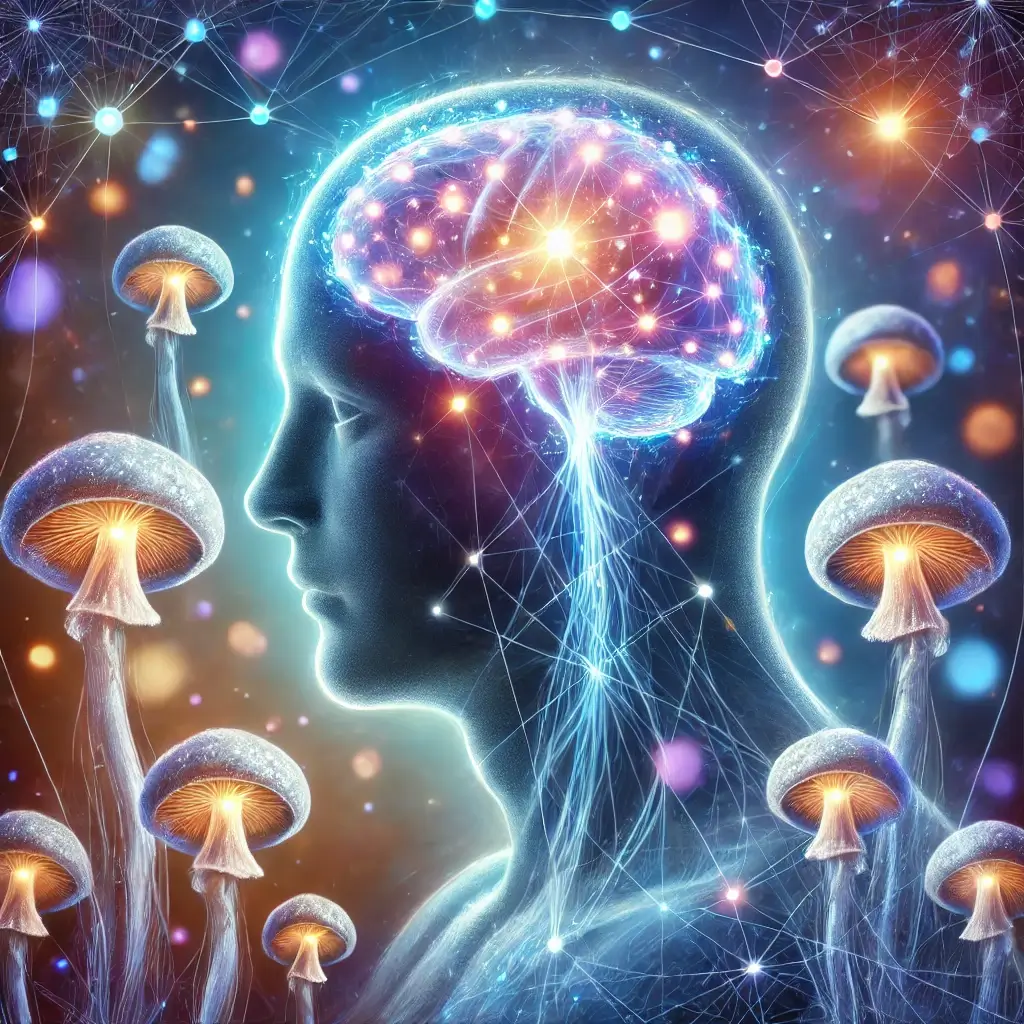
Traditional antidepressants work primarily by modulating serotonin levels over weeks or months. Psilocybin operates through a fundamentally different mechanism. It acts as a serotonin 2A receptor agonist, temporarily disrupting the brain’s default mode network—the neural system associated with self-referential thinking and rumination. This disruption appears to create a window of heightened neuroplasticity, allowing patients to break free from rigid, negative thought patterns that characterise chronic depression.
The United Kingdom has emerged as a global leader in psychedelic research, with London’s Imperial College hosting the world’s first Centre for Psychedelic Research. Since its establishment, the centre has conducted landmark trials demonstrating psilocybin’s efficacy for TRD. Their 2021 study, published in the New England Journal of Medicine, found that psilocybin therapy was at least as effective as escitalopram, a leading SSRI, for treating moderate to severe depression—with psilocybin showing faster onset of action and sustained benefits at six-month follow-up.
King’s College London has also established a Psychoactive Trials Group investigating MDMA and psilocybin therapies for various conditions. The University of Cambridge launched its Psychedelic Research Group in 2025, and throughout 2026 has been actively conducting trials targeting both treatment-resistant depression and major depressive disorder. This concentration of academic expertise places the UK at the forefront of what many researchers believe could be a paradigm shift in psychiatric medicine.
The research consistently points to several key factors that make psilocybin promising for TRD. Unlike daily medication, psilocybin is administered in one or two sessions under clinical supervision. The effects appear rapidly—often within hours—and may persist for months. This represents a stark contrast to SSRIs, which typically require four to six weeks to show benefit and must be taken continuously.
Current Legal Status and NHS Access
Despite promising results, psilocybin remains a Class A drug under the Misuse of Drugs Act 1971, placing it in the same category as heroin and cocaine. This classification creates significant barriers to research and clinical access. However, momentum is building for rescheduling. In 2023, Parliament held its first debate specifically addressing access to psilocybin treatments, with cross-party support for moving the compound to Schedule 2, which would recognise its medical value while maintaining strict controls.
For patients wondering when psilocybin might be available through the NHS, realistic timelines suggest 2027 to 2028 at the earliest—assuming ongoing trials continue to demonstrate safety and efficacy. The Medicines and Healthcare products Regulatory Agency (MHRA) would need to approve psilocybin as a medicine, followed by National Institute for Health and Care Excellence (NICE) evaluation for NHS funding. This process typically takes 12 to 18 months following the completion of phase III trials.
Accessing Psilocybin Therapy Legally
Currently, UK patients have limited legal pathways to psilocybin therapy. The primary route is participation in clinical trials. Imperial College London, King’s College, and the University of Cambridge are actively recruiting participants for their studies throughout 2026. Eligibility typically requires a documented diagnosis of treatment-resistant depression, age between 18 and 65, and exclusion of conditions such as bipolar disorder or psychosis that could increase risk.
For those unable to access trials, some UK residents have travelled to countries where psilocybin therapy operates legally—most notably the Netherlands, where truffle ceremonies are permitted, and Jamaica, which hosts several psychedelic retreat centres specialising in clinical-grade psilocybin. Costs for these programmes typically range from £3,000 to £10,000, excluding travel and accommodation. However, patients should be aware that importing psilocybin to the UK remains illegal, and the quality of overseas clinics varies significantly. The NHS does not currently endorse or fund treatment abroad.
Safety Considerations and Risks
Understanding safety profiles is crucial for anyone considering psilocybin therapy. In clinical settings, psilocybin demonstrates a favourable safety profile—particularly compared to chronic SSRI use, which carries risks of sexual dysfunction, weight gain, and emotional blunting. Psilocybin is physiologically non-toxic and non-addictive. The primary risks are psychological rather than physical.
During dosing sessions, patients may experience challenging emotions, anxiety, or temporary confusion. This is why the therapeutic model emphasises “set and setting”—proper psychological preparation, a controlled environment, and professional support throughout the experience. Integration sessions following the dosing help patients process insights and translate them into lasting behavioural changes.
Contraindications include a personal or family history of psychosis, bipolar disorder, or certain heart conditions. Psilocybin can also interact dangerously with lithium and MAO inhibitors. Anyone currently taking SSRIs typically requires a tapering period before psilocybin administration, as these medications can blunt the psychedelic effect.
The Patient Experience
For those accepted into UK clinical trials, the protocol follows a structured three-phase model. Preparation involves one or more sessions with trained therapists to establish trust, set intentions, and prepare for the experience. The dosing session itself takes place in a specially designed room—often described as resembling a comfortable living room rather than a clinical space. Participants wear eye shades and listen to curated music while lying on a couch. Therapists remain present but largely silent, intervening only if the patient shows signs of distress.
The psilocybin experience typically lasts six to eight hours. Participants often describe profound emotional releases, revisiting traumatic memories with new perspective, or experiencing a sense of connectedness that temporarily dissolves depressive rumination. Integration sessions in the days and weeks following help consolidate these insights into practical strategies for managing depression.
Long-term follow-up data from Imperial College trials suggests these benefits can persist. At six months post-treatment, a significant proportion of participants maintained remission from depression symptoms—outcomes that compare favourably to standard antidepressant continuation.
Looking Forward
The next two years will be critical for determining psilocybin’s future in UK healthcare. Several phase III trials are nearing completion, with results expected throughout 2026 and into 2027. These larger-scale studies will provide the definitive evidence base required for regulatory approval. Parallel to this, training programmes for psychedelic therapists are being developed to ensure adequate workforce capacity should NHS adoption follow.
For UK patients currently struggling with treatment-resistant depression, the landscape is evolving rapidly but access remains limited. Speaking with your GP about clinical trial eligibility represents the most viable current pathway. The NHS maintains databases of recruiting studies, and organisations such as the UK Psychedelic Society provide updates on regulatory developments.
While psilocybin is not a panacea and carries real risks requiring professional oversight, the accumulating evidence suggests it may offer genuine hope for those whom conventional treatments have failed. As UK research institutions continue to generate world-leading data, the question is increasingly not whether psilocybin works for depression, but how quickly British patients can access it safely and legally through the healthcare system they fund.