
Description
Buying pure LSD crystal in the US
You gotta understand, the best researchers need to know what they’re doing. They’re not just messing around with any old substance. The pinnacle of entheogenic chemistry, that’s what we’re talking about. For decades, standard psychonauts relied on pre-laid blotter paper from anywhere. I mean, it was all over the place, highly unpredictable sources. That led to a lot of under-dosed tabs and uneven chemical distribution. You got some people getting a whole lot more than they bargained for, and others getting nothing at all. Not exactly ideal. Today, the top people in this field want raw, unadulterated lysergamide molecules. That’s the goal – to get to the good stuff. And to do that, you need raw powder. That’s the gold standard. That’s what we’re aiming for here. This book is your guide to handling these materials safely. It’s the foundation you need if you want to get into this seriously. If you’re looking for top-notch materials, then the Legal Psychedelic Hub is the place to go. They’ve got what you need, and they’ll get you set up. That’s a solid starting point. Psychedelic therapy can be a powerful thing. But you gotta do it right.
The modern transition to raw crystalline structures is a total game-changer for us. It revolutionizes how we think about healing and dosing in multiple dimensions. Elite labs in Europe can synthesize this molecule with super precise control. That means when you get your hands on the raw material, you can forget about the wild guessing of the street market. You instantly get full control over your dosage and where you’re at mentally. And that’s huge. But to really make the most of it, you need to master the tiny details of handling these sensitive compounds. That’s a steep learning curve, but it can elevate your entheogenic practice from just messing around to something much deeper and more intentional. (It’s worth the effort, trust me.)
So, you’re wondering why elite researchers go to the trouble of buying pure LSD crystal Online USA. When a master chemist opts for this, purity is their number one priority. It’s got to be unyielding molecular purity, no compromise. Unlike that stuff on the streets, this raw crystal comes in a pristine, heavily concentrated state. No degradation, no adulterants, just the good stuff. That’s why underground facilitators love this format in California and New York. (Yeah, you see it in the affluent suburbs.) This precision lets sophisticated handlers lay their blotters with scientific accuracy. Their supply stays steady, potent, and untainted. But what about the bigger picture? In cities like Berlin and London, progressive researchers demand this raw chemical format. They need predictability for their experiments. It’s perfect for precise microdosing protocols. And it’s not just a novelty – the psychoactive onset is highly predictable. That’s what magic mushrooms can do for you, by the way. Just saying. In the end, purity is key for these researchers, and this raw crystal delivers. No surprises, just the real deal.
Introduction to Crystal Methamphetamine
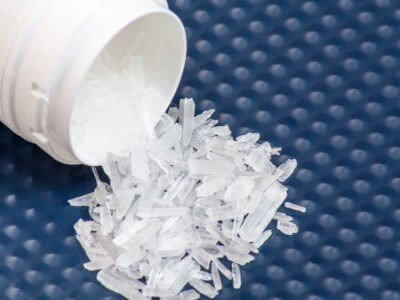
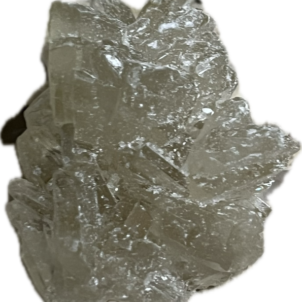
Crystal methamphetamine, commonly known as crystal meth, ice, or glass, represents one of the most potent and addictive stimulant substances circulating in illegal drug markets throughout the United States. This synthetic drug, chemically classified as d-methamphetamine hydrochloride, appears as clear or bluish crystalline chunks that vaporize when heated. Unlike plant-derived narcotics, crystal meth requires sophisticated chemical synthesis processes typically associated with industrial-scale operations rather than small-scale domestic production.
The Drug Enforcement Administration (DEA) consistently identifies methamphetamine as a Schedule II controlled substance under the Controlled Substances Act, indicating high abuse potential with limited medical utility. Despite federal restrictions, illicit manufacturing operations—particularly large-scale facilities often called “superlabs”—continue producing metric ton quantities annually, generating billions in illegal revenue while devastating public health infrastructure across American communities.
Chemical Composition and Industrial Manufacturing
Methamphetamine production involves complex organic chemistry requiring specific precursor chemicals, laboratory equipment, and technical knowledge. The synthesis typically utilizes ephedrine or pseudoephedrine reduction through various chemical methods, most commonly the Birch reduction (Nazi method) or reductive amination processes. Industrial-scale operations employ sophisticated chemical engineering techniques capable of producing multi-kilogram batches with high purity levels exceeding 90 percent.
Modern superlab operations, predominantly concentrated in Mexico and occasionally discovered within U.S. borders, utilize industrial-grade glassware, commercial ventilation systems, and bulk chemical procurement networks. These facilities operate similarly to legitimate pharmaceutical manufacturing plants, featuring temperature-controlled reaction vessels, filtration systems, and quality control mechanisms—though operating entirely outside regulatory oversight.
The manufacturing process generates significant toxic byproducts including hydroiodic acid, phosphine gas, and heavy metal contaminants, creating severe environmental hazards. Each pound of finished methamphetamine produces approximately five to six pounds of toxic waste, necessitating sophisticated waste disposal operations that legitimate chemical manufacturers handle through regulated channels, while illegal operations dump hazardous materials in rural areas and waterways.
Large-Scale Distribution Networks
Crystal methamphetamine distribution in the United States operates through hierarchical organizational structures resembling legitimate corporate supply chains, though utilizing encrypted communications, cash-based transactions, and violence-based enforcement mechanisms. Major trafficking organizations—primarily Mexican transnational criminal organizations (TCOs)—control industrial production and wholesale distribution, while secondary networks handle regional and street-level retail operations.
Wholesale distribution typically occurs through established trafficking corridors along the Southwest Border, with major hubs identified in California, Texas, Arizona, and Georgia. These organizations utilize commercial transportation infrastructure, including semi-trucks, private vehicles with concealed compartments, and occasionally maritime shipping containers, to transport bulk quantities from production facilities to distribution centers across the continental United States.
Standardized Measurement Systems
Understanding measurement conventions proves essential for law enforcement, forensic analysts, and policy makers addressing methamphetamine trafficking. The illegal drug trade utilizes both metric and imperial systems depending on transaction scale and operational context.
Wholesale Quantities
Kilograms (Kilos): The standard wholesale unit for international trafficking, with single transactions commonly involving 10-100 kilograms. One kilogram equals approximately 2.2046 pounds.
Pounds: Frequently used in domestic wholesale transactions, particularly at distribution hubs. Traffickers often reference “bricks” or “packages” weighing approximately one kilogram or 2.2 pounds.
Retail Distribution Quantities
Ounces: Standardized into fractions including “eight-balls” (one-eighth ounce, approximately 3.5 grams), quarter ounces (7 grams), and half ounces (14 grams).
Grams: The universal retail measurement, with individual user purchases typically ranging from 0.1 grams (point) to 3.5 grams (eight-ball). Street-level pricing varies geographically, with gram prices ranging from $80-$200 depending on purity and regional market conditions.
Points: One-tenth of a gram (0.1g), representing a single dose or “hit” for users. This measurement appears frequently in user-level transactions and law enforcement buy operations.
Purity and Potency Measurements
Forensic laboratories quantify methamphetamine purity through gas chromatography-mass spectrometry (GC-MS) analysis, reporting results as percentage of d-methamphetamine hydrochloride relative to total sample weight. High-purity crystal meth typically tests between 90-99 percent pure, distinguishing it from lower-grade “powder” meth or adulterated products containing cutting agents such as caffeine, dimethylsulfone, or fentanyl.
Dosage measurements for medical and forensic purposes utilize milligrams (mg), with typical single doses ranging from 5-30 milligrams depending on user tolerance and administration method. Toxicological screenings measure blood concentration in nanograms per milliliter (ng/mL), with levels exceeding 100 ng/mL generally indicating acute intoxication.
Reviews
There are no reviews yet.